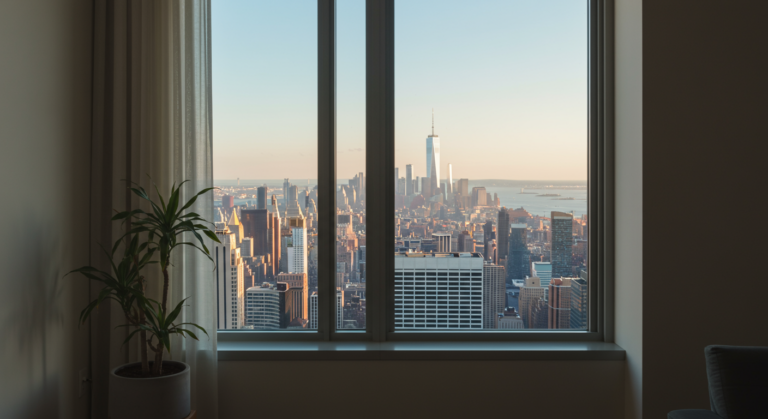
If you track your migraines, you may have noticed a pattern: they spike in summer. Heat and humidity are among the most well-documented migraine triggers, and New York City’s combination of intense heat, bright light, dehydration, and disrupted routines creates a perfect storm for attacks.
Why Heat Triggers Migraines
Heat causes vasodilation — blood vessels expand — and this vascular change is thought to contribute to migraine onset in susceptible individuals. Heat also accelerates dehydration, which is an independent trigger. Changes in barometric pressure accompanying summer storm systems are another well-established trigger.
Migraine vs. Heat Headache
Heat headaches from dehydration are typically diffuse, bilateral, and improve with hydration and rest in a cool environment. Migraines follow a distinct pattern: often unilateral, pulsating, moderate to severe intensity, worsened by activity, with associated nausea or sensitivity to light and sound. If you’re unsure whether you’re having migraines, a clinician evaluation can clarify the diagnosis.
The Triptan Difference
Over-the-counter pain relievers help mild migraines but often aren’t enough for moderate to severe attacks. Triptans — sumatriptan, rizatriptan, and others — are specifically designed for migraine and work by constricting dilated blood vessels. They’re significantly more effective than OTC options and require a prescription. A Sickday clinician can evaluate you and prescribe one via telemedicine.
IV Migraine Relief at Home
For severe migraines with vomiting, oral medication often doesn’t stay down. Sickday’s licensed clinicians can administer IV migraine therapy at home — typically IV fluids, anti-nausea medication, and magnesium sulfate, which has good evidence for acute migraine relief. This gets you relief faster than waiting in an emergency room.