Updated July 29, 2025 – Heat Advisory Extended Through Wednesday
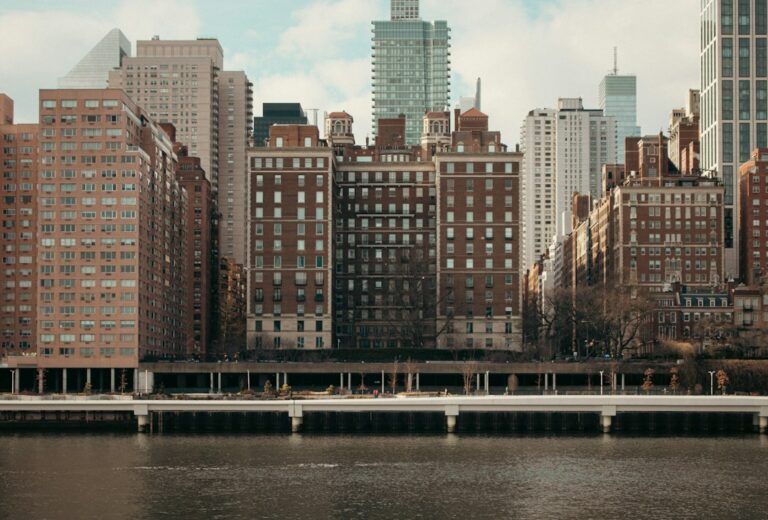
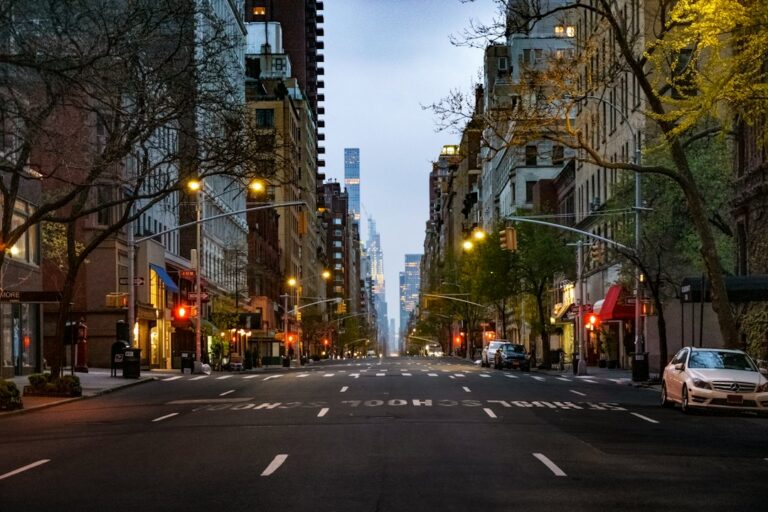
With dangerous heat dome conditions pushing temperatures to 97°F and feels-like temperatures to 107°F, Manhattan’s dense urban environment and towering buildings create intense heat island effects. This guide provides essential medical information and resources for residents, workers, and visitors navigating heat emergencies in the nation’s most densely populated area.
Immediate Heat Emergency Warning Signs
Call 911 immediately for these life-threatening symptoms:
- Heat Stroke (Critical Emergency):
- Core body temperature 104°F or higher
- Severe mental confusion, disorientation, or unconsciousness
- Hot, dry skin OR profuse sweating that suddenly stops
- Rapid, strong pulse (over 100 beats per minute)
- Severe headache and dizziness
- Nausea, vomiting, or seizures
- Difficulty breathing or hyperventilation
Seek urgent medical care for Heat Exhaustion:
- Heavy sweating with cool, moist skin
- Weakness, fatigue, or feeling faint
- Muscle cramps (especially calves and abdomen)
- Nausea or vomiting
- Headache and dizziness
- Fast, weak pulse
Manhattan’s Urban Heat Island Effect
Manhattan’s unique geography creates extreme heat concentration:
Highest Risk Areas:
- Midtown West/Times Square: Concrete density, limited tree coverage, massive crowds
- Financial District: Tall buildings creating “canyon effect,” limited green space
- Harlem: Historic heat vulnerability, aging infrastructure
- Lower East Side: Dense housing, limited air conditioning access
Moderate Risk Areas:
- Midtown East: Some green spaces but heavy traffic and concrete
- Hell’s Kitchen: Mix of new and old buildings, some tree-lined streets
- Upper West Side: Better tree coverage but still densely built
Lower Risk (Relatively):
- Upper East Side: Central Park proximity, more green space
- Greenwich Village/SoHo: Lower buildings, some tree coverage
- Riverside areas: Hudson and East River waterfront breezes
When to Call for Medical House Calls
Board Certified Medical Practitioners provide crucial in-home care during extreme heat when traveling becomes dangerous, especially for vulnerable populations in Manhattan’s high-rise buildings.
Ideal Situations for House Call Medical Care:
Heat-Related Medical Treatment:
- Heat exhaustion requiring IV hydration and electrolyte management
- Cooling protocols for mild heat stroke after initial stabilization
- Assessment of medications that increase heat sensitivity
- Monitoring of chronic conditions worsened by extreme heat
High-Rise Building Considerations:
- Elderly residents in buildings with broken elevators
- Individuals unable to safely navigate crowded, hot sidewalks
- Apartment dwellers with inadequate air conditioning
- Residents in top floors of buildings (heat rises)
Occupational Heat Exposure:
- Construction workers experiencing heat-related symptoms
- Food delivery workers with heat exhaustion
- Street vendors and outdoor workers needing medical evaluation
- Tourists unfamiliar with heat safety in urban environments
Vulnerable Population Care:
- Adults 65+ experiencing ANY heat-related discomfort
- Children under 5 in overheated apartments
- Pregnant women with heat-related complications
- Individuals with disabilities unable to reach cooling centers
Manhattan Urgent Care and Medical Facilities
Midtown Manhattan
Walk-in Clinic NYC
- Madison Avenue between 39th & 40th Streets
- Board-certified internal medicine physician (20+ years experience)
- Boutique urgent care serving Manhattan since 2006
- (212) 696-5900
- Lower cost than traditional urgent care centers
New York Doctors Urgent Care
- Murray Hill location
- Open 7 days/week including holidays
- Walk-in, no appointment needed
- IV hydration services available
- Occupational medicine for heat-related workplace injuries
UrgentWay Manhattan
- Near Penn Station
- Convenient for commuters and workers
- Primary and urgent care services
- Extended hours for after-work visits
- Accepts all major insurance
Upper Manhattan
Mount Sinai Urgent Care – Upper West Side
- Part of Mount Sinai Health System
- Board-certified doctors with specialist referrals
- Advanced diagnostic capabilities
- Virtual urgent care also available (8:30 AM – 8:30 PM)
Mount Sinai Urgent Care – Inwood
- Serving northern Manhattan communities
- Full urgent care services
- Cultural competency for diverse communities
Lower Manhattan
NYU Langone Urgent Care – West Side
- Advanced medical facility
- Extended hours weekdays and weekends
- Minor procedures, bloodwork, imaging on-site
- Part of comprehensive NYU Langone network
NYU Langone at Trinity
- Downtown Manhattan location
- Convenient for Financial District workers
- Full urgent care services
East Side Manhattan
Mount Sinai Urgent Care – Union Square
- Central location serving multiple neighborhoods
- Accessible via 4, 5, 6, L, N, Q, R, W trains
- Full diagnostic and treatment capabilities
Multiple CityMD Locations Throughout Manhattan
- Walk-in urgent care with multiple Manhattan sites
- 365 days/year operation
- Rapid testing and diagnostic services
- Heat-related emergency care
Public Hospital Access
NYC Health + Hospitals ExpressCare
- Multiple Manhattan locations
- Care regardless of insurance status or ability to pay
- Multilingual staff and interpretation services
- Part of public health system
Age-Specific Heat Emergency Protocols
Infants and Toddlers (0-3 years)
Extremely High Risk in Manhattan’s Heat:
- Small bodies overheat rapidly in urban heat islands
- Cannot communicate distress effectively
- Dependent on caregivers for hydration and cooling
Critical Warning Signs:
- Excessive crying or unusual fussiness
- Dry diapers (indicating dehydration)
- Hot, red, or flushed skin
- Lethargy or unusual sleepiness
- Refusing to eat or drink
- Rapid breathing or panting
Immediate Action:
- Move to air-conditioned space immediately
- Remove excess clothing
- Offer frequent small amounts of breast milk, formula, or water (for babies over 6 months)
- Seek medical care immediately for any concerning symptoms
Children (4-12 years)
High Risk Factors in Manhattan:
- Playing in concrete playgrounds and hot pavement
- Walking long distances on hot sidewalks
- Participating in summer programs without adequate cooling
Warning Signs:
- Complaints of headache or dizziness
- Unusual fatigue during normal activities
- Heavy sweating followed by dry skin
- Nausea or loss of appetite
- Irritability or confusion
Response:
- Immediate cooling in air-conditioned space
- Cool fluids every 15 minutes
- Cool bath or shower
- Medical evaluation if symptoms persist
Teenagers (13-17 years)
Risk Factors:
- Summer jobs (construction, food service, delivery)
- Sports activities in parks with limited shade
- Risk-taking behavior in extreme heat
Warning Signs:
- Severe headaches
- Muscle cramps
- Rapid heartbeat
- Confusion or changed behavior
- Nausea and vomiting
Action:
- Stop all activity immediately
- Move to coolest available location
- Sports drinks for electrolyte replacement
- Medical evaluation for concerning symptoms
Working Adults (18-64 years)
Manhattan-Specific Risks:
- Outdoor construction and maintenance work
- Food delivery and street vending
- Walking long distances between air-conditioned buildings
- Commuting on hot subway platforms
Warning Signs:
- Weakness beyond normal work fatigue
- Rapid pulse or heart palpitations
- Profuse sweating or sudden stop in sweating
- Dizziness when standing
- Mental confusion or irritability
Response:
- Immediate work stoppage and cooling
- Workplace heat safety protocols
- Medical evaluation for persistent symptoms
- Know your worker rights to heat safety breaks
Older Adults (65+ years)
Highest Risk Population in Manhattan:
- Reduced ability to regulate body temperature
- Multiple medications affecting heat response
- May live in apartments without adequate AC
- Social isolation in high-rise buildings
Warning Signs:
- ANY unusual symptoms during heat wave
- Confusion or personality changes
- Decreased urination or dark urine
- Skin that “tents” when pinched (dehydration)
- Unusual weakness or fatigue
Action:
- Lower threshold for seeking medical care
- Consider house call services to avoid travel
- Check on elderly neighbors regularly
- Ensure access to air conditioning
Medication Safety During Heat Waves
High-Risk Medications in Extreme Heat:
- Diuretics (water pills): Furosemide, HCTZ – increase dehydration risk
- Beta-blockers: Metoprolol, Atenolol – may impair cooling response
- ACE inhibitors: Lisinopril, Enalapril – affect blood pressure regulation in heat
- Antipsychotics: Risperidone, Haloperidol – interfere with temperature regulation
- Tricyclic antidepressants: Amitriptyline – reduce sweating ability
- Antihistamines: Benadryl, older allergy medications – decrease heat tolerance
Never stop medications without medical supervision. Instead, consult healthcare providers about:
- Timing medication doses during cooler parts of the day
- Increased monitoring during heat waves
- Hydration strategies while taking diuretics
- Alternative medications if heat sensitivity is severe
Immediate First Aid for Heat Emergencies
For Heat Exhaustion (While Awaiting Medical Care):
- Move to air-conditioned environment immediately
- Subway stations, stores, lobbies, cooling centers
- Remove excess or tight clothing
- Cool the body aggressively:
- Apply cool, wet towels to neck, armpits, groin
- Use ice packs if available
- Fan while misting with cool water
- Hydrate carefully:
- Small sips of cool water if conscious and able to swallow
- Sports drinks for electrolyte replacement
- Avoid alcohol or caffeine
- Position appropriately:
- Elevate legs slightly
- Monitor breathing and responsiveness
For Heat Stroke (Call 911 Immediately):
- Call 911 first – this is a medical emergency
- Begin aggressive cooling while waiting for EMS:
- Move to coolest available space
- Remove all unnecessary clothing
- Apply ice packs to neck, armpits, groin
- Use cold water and fans if available
- Monitor vital signs:
- Check breathing and pulse
- Be prepared to perform CPR
- Do NOT give fluids if person is unconscious or vomiting
Manhattan-Specific Emergency Considerations
Transportation During Heat Emergencies
- Subway platforms can reach dangerous temperatures – minimize time waiting
- Taxis and rideshares may have limited AC – request confirmation
- Walking distances should be minimized during peak heat hours (10 AM – 6 PM)
- Emergency services may have delayed response times due to high call volume
High-Rise Building Challenges
- Elevator outages during power strains trap residents on upper floors
- Top floors become dangerously hot as heat rises
- Limited balcony access reduces cooling options
- Crowded stairwells become heat traps during emergencies
Workplace Heat Safety
Manhattan workers face unique heat challenges:
- Construction sites: Mandatory cooling breaks and hydration
- Food service: Kitchen heat combined with outdoor temperatures
- Delivery workers: Multiple heat exposures throughout the day
- Street vendors: Direct sun exposure with limited cooling options
Know your rights:
- Employers must provide adequate water and cooling breaks
- OSHA heat safety standards apply to most workplaces
- Report unsafe heat conditions to appropriate authorities
Vulnerable Populations in Manhattan
Homeless Individuals
- Code Red protocols activate additional shelter capacity during heat emergencies
- Street outreach teams increase during heat waves
- Drop-in centers provide cooling relief without overnight commitment
- Emergency services available regardless of housing status
Tourists and Visitors
- Unfamiliar with urban heat intensity
- May underestimate walking distances in extreme heat
- Limited knowledge of cooling resources
- Hotel rooms may have inadequate AC – know your options
Outdoor Workers
- Construction and maintenance workers at highest risk
- Food delivery personnel face repeated heat exposure
- Street performers and vendors have limited cooling options
- Emergency responders working in extreme conditions
Community Resources and Emergency Contacts
Life-Threatening Emergency: 911 Non-Emergency Medical Consultation: Board Certified Medical Practitioners (8 AM – 9 PM, 7 days/week) Cooling Center Information: 311 NYC Health Department Heat Line: 311 Con Edison Power Outages: 1-800-75-CONED Poison Control (medication questions): 1-800-222-1222
Mental Health Support During Heat Emergencies
Extreme heat can worsen mental health conditions:
- NYC Well: 1-888-692-9355 (24/7 mental health support)
- Crisis Text Line: Text “WELL” to 65173
- Heat-related anxiety and panic are common during extreme weather
Language Services
- 311 Language Line: Interpretation in 200+ languages
- Major hospitals: Interpretation services available
- Community health centers: Multilingual staff in many locations
Prevention Strategies for Manhattan Living
Apartment Cooling Strategies
- Blackout curtains during day, open windows at night if cooler
- Fans in windows creating cross-ventilation
- Cool baths/showers multiple times daily
- Wet towels on neck and wrists
- Lower floors of buildings may be cooler
Workplace Heat Safety
- Hydrate before, during, and after work
- Take cooling breaks every 30 minutes in extreme heat
- Wear light-colored, loose-fitting clothing
- Know signs of heat illness in yourself and coworkers
Daily Activity Modifications
- Outdoor activities only before 10 AM or after 6 PM
- Plan routes between air-conditioned spaces
- Carry water during any outdoor travel
- Use cooling centers for several hours daily if home lacks adequate AC
Manhattan’s unique urban challenges during heat waves require heightened awareness and rapid response to heat-related health emergencies. Don’t hesitate to seek medical care when symptoms develop – early intervention prevents life-threatening complications in the dense urban environment.
This guide is for informational purposes and does not replace professional medical advice. Always consult healthcare providers for persistent or concerning symptoms during heat emergencies.