When you live in a city as dense as New York, you learn to be wary of “stomach bugs.” And the king of all stomach bugs is norovirus.
Norovirus is extremely contagious and spreads like wildfire through offices, subways, and apartment buildings. It’s known for its sudden and severe onset of vomiting and diarrhea, which can last for 24-48 agonizing hours.
While the illness is short-lived, its main complication is severe dehydration, which can be dangerous. Knowing how to manage symptoms at home—and when to seek help—is critical.
What is Norovirus?
Norovirus is a virus that causes gastroenteritis, or inflammation of the stomach and intestines.
- Key Symptoms: Sudden, severe vomiting and/or watery diarrhea, nausea, and stomach cramps. Some people also have a low-grade fever, chills, and body aches.
- How it Spreads: It’s incredibly contagious. You can get it from an infected person, contaminated food or water, or by touching contaminated surfaces (like a subway pole) and then touching your mouth.
The #1 Danger: Dehydration
With norovirus, your body is losing fluids and electrolytes at a rapid rate. This leads to dehydration, fast.
Signs of moderate to severe dehydration include:
- Extreme thirst
- Very dry mouth
- Dizziness or lightheadedness, especially when standing up
- Dark yellow, infrequent, or no urination
- Severe weakness and lethargy
When you’re actively vomiting, it can be impossible to keep down enough water or sports drinks to rehydrate. This is when the situation can become dangerous.
How At-Home Medical Care Can Help
The last place you want to be with norovirus is in a public, moving vehicle or a waiting room. This is a condition tailor-made for at-home care.
While there is no “cure” for the virus itself, Sickday.com can provide critical supportive care in your home.
1. At-Home IV Hydration
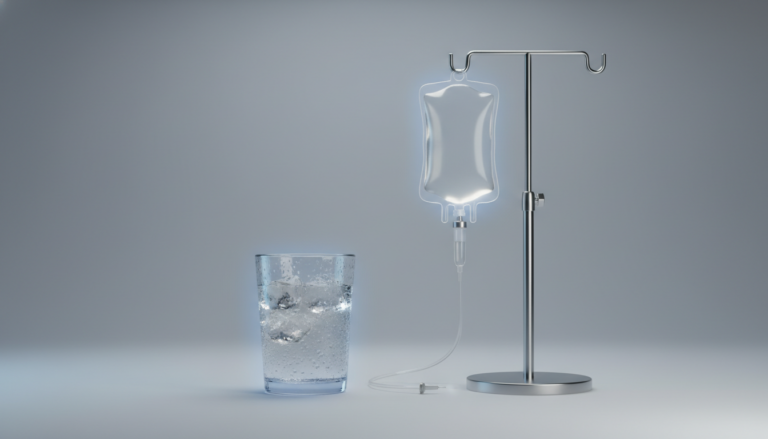
If you are unable to keep fluids down, a certified medical practitioner can administer an IV drip right in your home. This is the most important intervention for severe norovirus. The IV delivers fluids and essential electrolytes directly into your bloodstream, bypassing your digestive tract entirely. This rehydrates you immediately and can dramatically reduce symptoms of dizziness and weakness, helping you feel better faster.
2. Anti-Nausea Medication
Our practitioner can also evaluate you for and, if appropriate, administer anti-nausea medication (antiemetics) to help stop the vomiting. This can be the first step to breaking the cycle, allowing you to finally rest and start sipping fluids on your own.
Don’t try to “tough out” severe dehydration. It can lead to a long and miserable ER visit. If you or a loved one has norovirus and can’t keep any liquids down, we can help.
Book a visit now through our website for rapid at-home hydration and care.