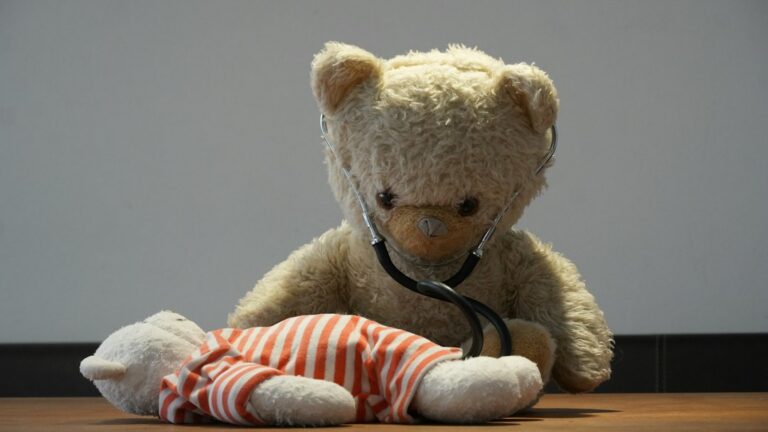
When Everyone Else Is Closed, We’re Open
Sickday operates every day of the year, including Thanksgiving, Christmas, and New Year’s Day, bringing board-certified medical care to patients’ homes, offices, and hotel rooms across NYC’s five boroughs between 8 AM and 9 PM. This answers the question patients ask most during holiday weeks: is anyone actually available right now?
Most people don’t think about where they’ll get care on a holiday until they’re the one running a 102-degree fever on Christmas morning with a turkey in the oven and a houseful of relatives. Your regular doctor’s office is dark. The urgent care two blocks away has a sign taped to the door that says “closed for the holiday, reopening Friday.” That’s the exact moment Sickday exists for.
We built the schedule around the days other practices build their schedule around closing. A holiday doesn’t change our hours. It doesn’t change our coverage area. It doesn’t change the fact that a board-certified clinician can be at your door while you’re still in pajamas.
Open 7 Days a Week, Every Day of the Year, Including Every Holiday
Sickday’s schedule runs seven days a week, 365 days a year, with no seasonal closures, no holiday exceptions, and no reduced-staff skeleton crews. The same 8 AM to 9 PM window applies on a random Tuesday in March and on December 25th.
A lot of urgent-care clinics quietly shrink their holiday hours, or shut entirely, because staffing a walk-in clinic on Thanksgiving is expensive and most patients assume they’re closed anyway. Sickday doesn’t operate that way. The model is built around house calls specifically because it scales differently than a storefront clinic. There’s no lobby to staff, no front-desk team to schedule around a holiday, no landlord’s hours to work within. A clinician comes to you, which means the only variable that matters is whether a provider is on shift, and on Sickday’s calendar, a provider is always on shift.
Thanksgiving: we deliver. Christmas: we deliver. New Year’s: we deliver. Same hours, same coverage, every single day of the year.
Thanksgiving, Christmas, New Year’s: We Deliver Care to Your Door
Sickday sends a board-certified physician assistant directly to a patient’s home, office, or hotel room anywhere in Manhattan, Brooklyn, Queens, the Bronx, or Staten Island, on holidays and every other day, with no need to leave the house or find holiday-week transportation.
Picture the three scenarios that actually happen every year: a visiting grandparent spikes a fever the morning of Thanksgiving dinner and nobody wants to leave the stove to drive them to an ER. A business traveler staying at a Midtown hotel over New Year’s wakes up with a sinus infection and has back-to-back meetings he can’t miss. A parent hosting Christmas for fifteen people has a toddler with an ear infection and absolutely no bandwidth to sit in a waiting room. None of these people need a hospital. All of them need a clinician who will come to them, quickly, without derailing the day.
That’s the entire reason the house-call model exists for holiday weeks specifically. You stay where you are. We come to you. The visit happens in your own space, at your own pace, without the extra hour of travel, parking, and waiting room exposure that a walk-in clinic requires even when it’s open.
Sick during a holiday and don’t want to leave home? We come to you, every day of the year, 8 AM to 9 PM.
Convenient Hours, Every Day: 8 AM to 9 PM
Sickday’s hours run from 8 AM to 9 PM, seven days a week, with no interruption for weekends or holidays. That window covers early-morning symptoms before a workday starts and evening flare-ups after dinner, which together account for when most acute illness actually gets noticed.
The 8 AM start matters because illness in children and older relatives tends to surface first thing in the morning, before anyone’s had coffee, before the day’s plans have even started. The 9 PM close matters because a lot of symptoms, especially fever and stomach illness, worsen in the evening after a full day of holiday eating, travel, or hosting. A clinic with 10-to-4 banker’s hours misses both ends of that window. Sickday doesn’t.
8 AM, 9 PM · 7 days a week · All 5 boroughs · Home, office, or hotel.
What We Treat: Acute Illness and Injury, Wherever You Are
Sickday’s house-call visits address acute, non-emergency conditions such as flu-like illness, upper respiratory infections, stomach bugs, minor injuries, UTIs, skin infections, and similar same-day concerns that don’t require hospital-level intervention but do need a clinician’s evaluation.
These are the conditions that make up the bulk of holiday-week sick calls: the cough that’s gotten worse over three days of travel, the stomach virus that’s gone through the whole family, the sprained ankle from an overenthusiastic Thanksgiving touch-football game, the sinus pressure that’s turned into something that won’t respond to over-the-counter medication. A board-certified physician assistant examines you in person, the same way an in-office visit would, just in your own space instead of a waiting room.
What Sickday’s house calls are not designed for is anything life-threatening. That distinction matters enough that it gets its own section below, because knowing where a holiday illness actually belongs, house call, urgent care, or emergency room, is the single most useful thing a patient can know before they need it.
House Call, Urgent Care, or ER? Knowing Where Holiday Illness Fits
Urgent care and house calls are intended for conditions that need prompt attention but aren’t life-threatening, while emergency rooms exist for conditions involving severe bleeding, traumatic injury, poisoning, moderate-to-severe burns, unconsciousness, seizures, or symptoms of heart attack or stroke, according to the New York Attorney General’s publication on urgent care centers.
The New York State Department of Financial Services’ consumer guidance on emergency and urgent care similarly advises patients to contact a provider’s office for instructions or seek urgent care when a condition is serious but not life-threatening, reserving emergency rooms for situations that genuinely can’t wait. A house call sits in that same lane as urgent care clinically, with one practical advantage during holiday weeks: it comes to you instead of asking you to find a clinic that’s actually staffed and open.
The decision isn’t complicated once you frame it this way. If a condition would normally send you to your regular doctor’s office or a walk-in clinic on an ordinary Tuesday, it’s appropriate for a house call on Thanksgiving, Christmas, or New Year’s too. If it’s a true emergency, that calculation doesn’t change no matter what day it is, and the next section covers exactly where that line sits.
For a more detailed breakdown of which symptoms belong in which setting, see Sickday’s guide on choosing between 911, urgent care, or a house call, or the companion piece on how to tell a house call apart from an ER visit.
Why Holidays Bring More Illness, And Why That Matters
The CDC notes that viruses causing flu, COVID-19, and RSV spread more commonly in fall and winter, and that holiday travel and gatherings specifically contribute to increased flu transmission through close indoor contact with large groups of people from different households.
That’s not a coincidence of timing. Thanksgiving, Christmas, and New Year’s cluster multiple generations of a family into the same indoor space for hours at a time, often after one or more of them has just traveled through an airport, a train station, or a packed highway rest stop. The CDC’s holiday health guidance recommends staying home when sick, avoiding exposing others, staying current on vaccination, covering coughs and sneezes, washing hands frequently, and contacting a healthcare provider when symptoms are severe or worsening.
That last recommendation, contacting a provider promptly rather than waiting it out, is exactly where the holiday closure problem becomes a real obstacle. The CDC’s advice assumes you have somewhere to call. During a week when most practices are shut, having a clinician who actually answers and actually shows up is what turns good advice into something you can act on. The NYC Department of Health’s hospital emergency-preparedness resources acknowledge that healthcare demand rises during these periods, which is one more reason to have a same-day option that doesn’t depend on a hospital system already managing a seasonal surge.
When to Call 911 Instead
Call 911 or go to an emergency room immediately for difficulty breathing or shortness of breath, persistent chest or abdominal pain or pressure, confusion, inability to be awakened, seizures, severe weakness, signs of dehydration such as not urinating, or any symptoms that improve and then suddenly return or worsen, according to the CDC’s guidance on respiratory illness warning signs.
The New York State Department of Health’s guidance for Medicaid Managed Care members reinforces this same line: anyone who believes they’re facing a true emergency should call 911 or go to an emergency room immediately, and emergency care never requires prior approval from an insurer or provider. That principle holds regardless of what insurance you carry or what day of the year it is.
Call 911, not Sickday, if you or someone with you has:
- Difficulty breathing or shortness of breath
- Persistent chest or abdominal pain or pressure
- Confusion or inability to be awakened
- Seizures or severe weakness
- Signs of heart attack or stroke
- Severe bleeding, traumatic injury, poisoning, or moderate-to-severe burns
- Symptoms that improve and then return or suddenly worsen
Everything short of that list, the fever, the stomach bug, the sinus infection, the sprained wrist, the ear infection that’s kept a toddler up two nights running, is exactly the territory a Sickday house call is built to handle, holiday or not. For a side-by-side look at specific warning signs, Sickday’s guide on NYC emergency warning signs walks through the same CDC criteria in more detail. Visitors to the city during a holiday week may also find the guide on getting fast care in NYC during Thanksgiving week useful for planning ahead.
How to Book a Sickday House Call
Booking takes place by phone or online request, with a board-certified physician assistant typically dispatched the same day to a patient’s home, office, or hotel for a flat visit fee. Sickday works with select commercial PPO insurance plans and does not accept Medicare.
There’s no portal to navigate, no referral to chase down, no waiting room to sit in while someone else’s holiday emergency gets triaged ahead of yours. You call, you describe what’s going on, and a clinician comes to you. For a full walkthrough of what actually happens once a provider arrives, Sickday’s step-by-step guide on what to expect during an NYC house call covers the visit from knock on the door to follow-up care. A current list of conditions and services is available on Sickday’s types of care page.
Frequently Asked Questions
Is Sickday actually open on Thanksgiving, Christmas, and New Year’s Day?
Yes. Sickday operates seven days a week, 365 days a year, with no holiday closures and no reduced staffing on major holidays. Hours remain 8 AM to 9 PM on Thanksgiving, Christmas, New Year’s Day, and every other day of the calendar year, across all five NYC boroughs.
What areas does Sickday cover for house calls?
Sickday provides house calls throughout all five New York City boroughs: Manhattan, Brooklyn, Queens, the Bronx, and Staten Island. Visits can take place at a patient’s home, office, or hotel room anywhere within these service areas.
Does Sickday accept insurance, including Medicare?
Sickday works with select commercial PPO insurance plans. Sickday does not accept Medicare. Patients should confirm current insurance arrangements and pricing directly with Sickday before booking, as acceptance and fees are subject to change.
What conditions can a Sickday house call treat?
Sickday house calls address acute, non-emergency conditions such as flu-like illness, upper respiratory infections, stomach illness, minor injuries, urinary tract infections, and skin infections. These are conditions appropriate for outpatient evaluation that don’t require emergency department care.
When should I call 911 instead of booking a house call?
Call 911 or go to an emergency room for difficulty breathing, persistent chest or abdominal pain, confusion, inability to be awakened, seizures, severe weakness, signs of heart attack or stroke, severe bleeding, traumatic injury, poisoning, or burns, per CDC and New York State Department of Health guidance. Emergency care never requires prior insurance approval.
How fast can a Sickday provider reach me during a holiday?
Response times vary by location, time of day, and current demand, but Sickday aims to dispatch a board-certified physician assistant the same day a request is made, including on holidays. Calling directly typically provides the most accurate estimate of arrival time for a specific address.
Why does holiday travel and gathering increase illness risk?
The CDC reports that viruses causing flu, COVID-19, and RSV spread more easily in fall and winter, and that holiday travel combined with large indoor gatherings of multiple households increases transmission opportunities. The CDC recommends vaccination, staying home when sick, hand hygiene, and covering coughs and sneezes during this period.
We’re Here, Even Today
No matter what day it is on the calendar, a board-certified clinician can come to your home, office, or hotel in NYC between 8 AM and 9 PM.
Sources
- New York Attorney General, “Urgent Care Centers”
- New York State Department of Financial Services, “Emergency and Urgent Care” consumer guidance
- New York State Department of Health, Medicaid Managed Care Model Member Handbook guidance
- Centers for Disease Control and Prevention, “Take Steps to Help You Stay Healthy During the Holidays”
- Centers for Disease Control and Prevention, “About Respiratory Illnesses”
- Centers for Disease Control and Prevention, holiday flu-prevention spotlight guidance
- New York City Department of Health, Emergency Preparedness resources for hospitals and healthcare facilities
Read our related 2026 Pillar Guides: