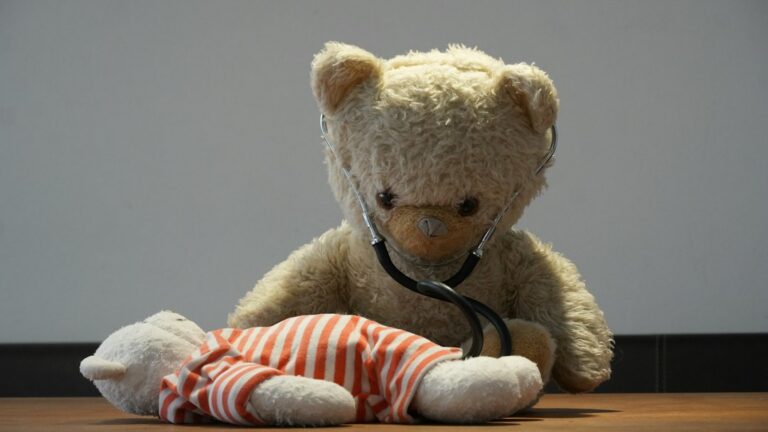
A kid with a stomach bug is nothing new to most parents. But when the cause is salmonella, usually traced back to undercooked eggs, raw poultry, unpasteurized dairy, or a family pet reptile, the illness can move faster and hit harder than a garden-variety virus, especially in infants and toddlers. The good news: most cases resolve with attentive home care and the right fluids. The part that actually matters is knowing which symptoms are routine and which ones mean you need a clinician’s eyes on your child today, not tomorrow.
What Salmonella Looks Like in Children
Salmonella infection in kids typically causes diarrhea (sometimes bloody), fever, and abdominal cramping. Vomiting, nausea, and headache are also common. Symptoms usually appear within hours to a few days after exposure to contaminated food or an infected animal, according to the CDC’s Clinical Overview of Salmonellosis.
What separates this from a typical 24-hour stomach virus is duration and intensity. A viral stomach bug tends to peak and fade within a day; salmonella symptoms often linger longer and can include more pronounced cramping and higher fevers. If you’re trying to sort out which one you’re dealing with, Sickday’s Stomach Virus 24-Hour Recovery Plan covers the viral comparison in more detail, and the Salmonella Recovery Timeline walks through what each day of illness typically looks like.
Exposure history is a useful clue parents overlook. The FDA flags undercooked eggs and poultry, unpasteurized milk and juice, and contact with reptiles or amphibians (turtles, lizards, frogs, even their tank water) as common sources, particularly for households with young kids who touch everything and then touch their mouths.
Why Young Children Dehydrate Faster Than Adults
Infants and young children carry a higher percentage of body water relative to their size than adults, and their kidneys are less efficient at conserving fluid. That combination means fluid losses from diarrhea and vomiting add up quickly, and dehydration can develop within hours rather than days, according to the CDC’s guidance on salmonella symptoms.
There’s also a communication problem. A toddler can’t tell you “I feel dizzy” or “my mouth is dry.” A baby can’t say anything at all. Parents are left reading physical signs instead of verbal ones, which is exactly why the checklist later in this guide matters more for a two-year-old than it would for a healthy adult riding out the same bug.
Hydration at Home: What Actually Works
Supportive care, meaning fluids and rest, is the primary treatment for salmonella in children. Antibiotics are reserved for specific situations determined by a clinician, not used routinely, per the CDC’s treatment guidance on salmonella infection.
Commercially prepared oral rehydration solutions (Pedialyte and similar products) are the right tool here, because they’re formulated with water and electrolytes in the proportions a sick body actually needs. The CDC and Mayo Clinic both point to ORS as the preferred option once diarrhea or vomiting is causing noticeable fluid loss, rather than plain water alone, which doesn’t replace lost sodium and potassium.
Juice, soda, and full-strength sports drinks work against you. They’re too high in sugar and too low in the right electrolyte balance, and in a kid with an already irritated gut, the sugar load can make diarrhea worse. The National Institute of Diabetes and Digestive and Kidney Diseases recommends using commercially prepared ORS as directed rather than improvising with whatever’s in the fridge.
If your child is breastfed, keep nursing. Formula-fed infants should generally continue formula unless a clinician advises otherwise, and older kids can usually keep drinking regular milk once vomiting has settled, according to the American Academy of Pediatrics’ guidance on diarrhea in children. Offer small, frequent sips rather than large volumes all at once, especially right after a vomiting episode, since a flooded stomach is more likely to come back up.
Dehydration Warning Signs Parents Can Check at Home
Dehydration shows up physically before a child can describe it. The clearest signs are changes in urination, energy, and tear production, and parents can check all of them without any equipment in under a minute.
Run this check every few hours during active illness:
- No wet diaper or no urination for 3 or more hours
- Urine that looks noticeably darker than usual
- Crying without tears
- Sunken eyes or sunken cheeks
- Unusually low energy, floppiness, or a child who’s hard to engage
- Dry lips or a dry-looking mouth
These signs come directly from the National Institute of Diabetes and Digestive and Kidney Diseases’ guidance on dehydration from food poisoning. Reduced urine output and dark urine are often the earliest indicators, showing up before a child looks visibly sick, which is why checking diapers and bathroom trips matters more than eyeballing overall appearance.
When to Call a Doctor the Same Day
Call a clinician the same day if your child has a fever alongside several days of diarrhea, if dehydration signs are present but mild and not improving with oral rehydration solution, or if vomiting is frequent enough that you’re unsure how much fluid is actually staying down.
Infants get a lower threshold than older kids, deliberately. NIDDK advises prompt medical attention for any fever in an infant, full stop, not just a high one. The same guidance applies to any child who can’t take in enough ORS to keep pace with losses, or who isn’t improving after a reasonable trial of fluids at home. If you’re unsure what counts as a fever worth acting on at your child’s specific age, Sickday’s guide on fever thresholds by age breaks that down more precisely than a single number can.
When It’s an Emergency
Certain signs mean you stop watching and act immediately: stool that’s bloody or black, a child who can’t keep any fluids down despite small frequent attempts, unusual lethargy or irritability that doesn’t improve, severe abdominal pain, or no wet diaper for six or more hours. Mayo Clinic notes that severe dehydration can require intravenous fluids or hospitalization, which is the level of care these signs are pointing toward.
| Call a Clinician Today | Seek Emergency Care |
|---|---|
| Fever with several days of diarrhea in an older child | Any fever in an infant |
| Mild dehydration signs improving with ORS | No wet diaper for 6+ hours |
| Occasional vomiting, still tolerating sips of fluid | Unable to keep any fluids down |
| Normal energy between episodes | Unusual lethargy or irritability |
| Cramping that eases with rest | Severe, unrelenting abdominal pain |
| Normal-colored stool | Bloody or black stool |
For a broader decision tree covering more symptom combinations beyond salmonella specifically, Sickday’s 911, urgent care, or house call guide is built for exactly this kind of real-time triage question.
If your child is sick enough to worry about but a waiting room full of other sick people sounds like the wrong move, a board-certified clinician can evaluate your child, assess hydration, and guide next steps right in your home.
Children at Higher Risk for Severe Illness
Children under five are more likely to develop severe salmonella infection than older kids and adults, and that risk is compounded for premature infants and children with underlying medical conditions or weakened immune systems, according to both the FDA and NIDDK.
If your child falls into one of these higher-risk groups, treat the thresholds in the sections above as more conservative, not less. A fever or dehydration sign that might warrant a wait-and-watch approach in a healthy eight-year-old deserves a same-day call, at minimum, in a six-month-old or a child on immunosuppressive medication. There’s no penalty for calling early; there’s real risk in waiting too long.
What to Tell a Clinician When You Call
A fast, specific report helps a clinician triage your child’s situation in the first thirty seconds of the call, rather than spending the first five minutes just gathering basics.
- Your child’s age and approximate weight
- Highest fever recorded and when
- Number of diarrhea and vomiting episodes in the last 24 hours
- Whether urine output has dropped or urine looks dark
- Whether you’ve noticed blood or an unusual black color in the stool
- Whether your child can keep down sips of fluid or ORS
- Known exposures: undercooked eggs or poultry, unpasteurized dairy, a recent daycare outbreak, or contact with a reptile or amphibian
Worth knowing: if salmonella is confirmed, your child’s clinician may be required to report the case to the NYC Health Department, since it’s on the list of reportable conditions under New York City Department of Health regulations. That’s a provider obligation, not something you need to manage, and it’s one more reason an in-person evaluation with a clinician who can actually test and confirm matters more than guessing from symptoms alone.
Frequently Asked Questions
How do I know if my child’s stomach bug is actually salmonella?
Salmonella typically causes diarrhea (sometimes bloody), fever, and abdominal cramping, and symptoms often last longer and feel more intense than a typical 24-hour viral stomach bug. A known exposure, such as undercooked eggs, poultry, unpasteurized dairy, or contact with a reptile or amphibian, raises the likelihood. A clinician can confirm with a stool test if needed.
What is the best drink for a child with salmonella symptoms?
Commercially prepared oral rehydration solutions, such as Pedialyte, are recommended because they replace water and electrolytes in balanced proportions. Juice, soda, and sports drinks are not recommended because their sugar content can worsen diarrhea. Breastfed infants should continue nursing, and formula-fed infants should generally continue formula unless a clinician advises otherwise.
Should I give my child anti-diarrheal medication?
Over-the-counter anti-diarrheal medications are generally not recommended for children with suspected bacterial infections like salmonella without a clinician’s guidance, since they can interfere with the body’s process of clearing the infection. Supportive care with fluids is the primary home treatment; any medication decision should go through a doctor first.
How long does salmonella last in children?
Duration varies by child and severity, and this guide doesn’t estimate a specific recovery window. Sickday’s Salmonella Recovery Timeline provides a day-by-day breakdown of what to expect and which red flags to watch for during each phase of illness.
Is a fever without other symptoms in an infant something to worry about?
Yes. The National Institute of Diabetes and Digestive and Kidney Diseases advises prompt medical attention for any fever in an infant, regardless of how mild it seems or whether other symptoms are present. Infants have fewer physiological reserves than older children, so a fever alone warrants a same-day call to a clinician.
What counts as not enough urine output in a toddler?
No wet diaper or no urination for three or more hours is a documented dehydration warning sign according to NIDDK guidance. Dark-colored urine is often an earlier sign that appears before output drops completely. Both warrant close monitoring, and a gap of six or more hours without urination is a sign to seek emergency care.
Can salmonella spread to other family members?
Yes, salmonella can spread through contaminated food, contact with an infected person’s stool, or contact with an infected animal. Thorough handwashing, especially after diaper changes and before food preparation, and keeping sick children away from food handling duties for other household members, reduces transmission risk within a home.
Sources
- Centers for Disease Control and Prevention, “Symptoms of Salmonella Infection”
- Centers for Disease Control and Prevention, “Treatment of Salmonella Infection”
- Centers for Disease Control and Prevention, “Clinical Overview of Salmonellosis”
- U.S. Food and Drug Administration, “Salmonella (Salmonellosis)”
- U.S. Food and Drug Administration, “Salmonella, Feeder Rodents, and Pet Reptiles and Amphibians: Tips You Should Know to Prevent Infection”
- National Institute of Diabetes and Digestive and Kidney Diseases, “Food Poisoning, All Content”
- National Institute of Diabetes and Digestive and Kidney Diseases, “Symptoms & Causes of Food Poisoning”
- National Institute of Diabetes and Digestive and Kidney Diseases, “Treatment for Food Poisoning”
- American Academy of Pediatrics, HealthyChildren.org, “Diarrhea in Children: What Parents Need to Know”
- Mayo Clinic, “Salmonella Infection: Diagnosis and Treatment”
- New York City Department of Health, “Reporting Diseases and Conditions”
Read our related 2026 Pillar Guides