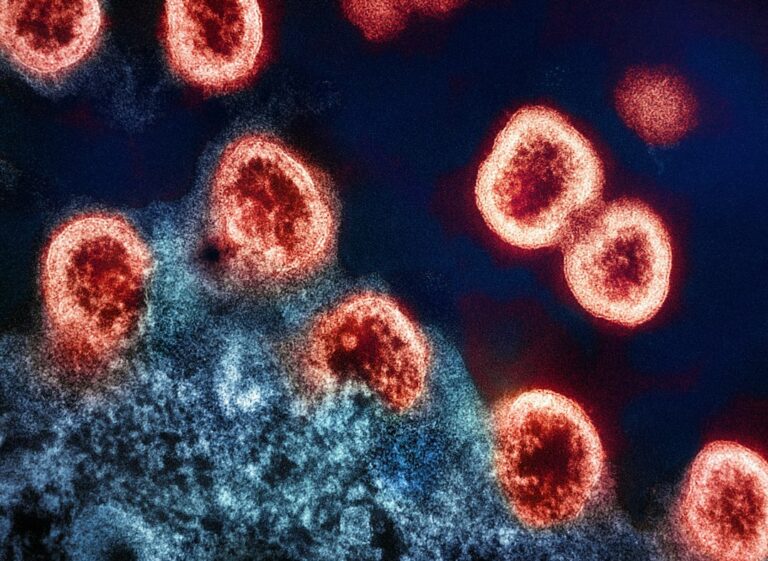
A stomach bug is one of the most common reasons New Yorkers call for at-home care. Whether it’s caused by norovirus, a bacterial pathogen, or a brief GI infection, the symptoms — nausea, vomiting, diarrhea, and cramping — can be debilitating enough to keep you home. Here is how to manage it effectively, prevent spread, and recognize when to call a licensed clinician.
Stomach bug symptoms and what they tell you
Most stomach bugs in NYC follow a recognizable pattern. Symptoms typically include:
- Nausea — often the first sign, appearing before vomiting
- Vomiting — usually most intense in the first 12 to 24 hours
- Watery diarrhea — often continuing after vomiting subsides
- Stomach cramps and abdominal pain
- Low-grade fever (below 101°F in most cases)
- Fatigue and muscle aches
- Loss of appetite
The cause matters for how you manage the illness. Norovirus (the most common stomach bug in NYC) spreads person-to-person and via contaminated surfaces. Food poisoning from bacterial toxins has a faster onset — usually within 6 hours of eating — and is linked to a specific meal. See how to tell the difference in our guide on stomach flu vs. food poisoning.
How long does a stomach bug last?
- Norovirus — typically 24 to 72 hours for active symptoms; you may feel fatigued for several days after
- Bacterial gastroenteritis — varies by pathogen: Staph aureus toxin resolves in 12 to 24 hours; Salmonella can last 4 to 7 days
- Rotavirus — less common in adults, but can cause 3 to 8 days of symptoms
- General viral gastroenteritis — usually 1 to 3 days
If symptoms have not improved after 3 days, or if they are worsening rather than improving, that is a signal to get evaluated.
Stomach bug home care: what to do
Hydration first
Dehydration is the primary risk in any stomach bug illness. Start with small, frequent sips of an oral rehydration solution (Pedialyte, Liquid I.V.) rather than plain water, which does not replace lost electrolytes. Avoid large amounts at once — take a sip or two every few minutes if you are struggling to keep fluids down.
Rest your gut
Stop eating solid food during the acute vomiting phase. Once vomiting subsides, reintroduce foods gradually — plain crackers, toast, rice, or bananas before anything richer. Avoid dairy, caffeine, alcohol, fatty foods, and anything spicy until fully recovered.
OTC medications that can help
- Loperamide (Imodium) — appropriate for watery diarrhea without high fever or blood in stool. Do not use if you have fever above 101°F or bloody diarrhea.
- Bismuth subsalicylate (Pepto-Bismol) — helps with nausea and mild diarrhea. Avoid if allergic to aspirin or taking blood thinners.
- Acetaminophen (Tylenol) — for fever and muscle aches. Preferred over ibuprofen, which can irritate the GI tract. Read our full guide on food poisoning and stomach bug medicine: what helps.
Preventing stomach bug spread in your NYC home or apartment
Stomach bugs — especially norovirus — spread easily in shared living situations. Key prevention steps:
- Wash hands with soap and water for 20 seconds — not just hand sanitizer, which is less effective against norovirus
- Disinfect bathrooms and high-touch surfaces with a diluted bleach solution after each use
- Do not share towels, utensils, or cups
- Avoid preparing food for others while ill and for 48 hours after recovery
- Wash bedding and clothing on the hottest setting
- If you have roommates, communicate symptoms clearly so they can take precautions
For guidance on managing an illness spreading through your household, see our guide on household outbreaks: strategies when the whole family is sick.
Red flags: when to get evaluated by a licensed clinician
Most stomach bugs resolve on their own with supportive care. The following symptoms mean you should get evaluated — and with Sickday, that evaluation can happen at your home:
- Blood in stool or vomit — may indicate bacterial infection or intestinal damage
- High fever (above 102°F / 38.9°C)
- Signs of dehydration — no urination for 8+ hours, dry mouth and eyes, extreme weakness, dizziness when standing, confusion
- Inability to keep any fluids down for 8 to 12 hours
- Severe abdominal pain that is worsening or localized (could indicate appendicitis or another serious cause)
- Symptoms lasting more than 3 days without any improvement
- Immunocompromised patient, elderly individual, or pregnant woman — lower threshold for evaluation in these groups
A Sickday licensed clinician can evaluate you at your NYC home, apartment, or hotel — 8am to 9pm, 7 days a week, across all five boroughs. For dehydration that oral fluids cannot manage, IV hydration therapy at home can restore electrolytes faster than drinking alone. Compare your care options with our guide to ER vs. urgent care vs. Sickday: where to go in NYC.
Frequently asked questions: stomach bug in NYC
How long does a stomach bug last in NYC?
Most stomach bugs caused by norovirus or general viral gastroenteritis last 24 to 72 hours for the acute phase — vomiting, diarrhea, and fever. Fatigue and reduced appetite can linger for a few additional days. Bacterial stomach bugs may last 4 to 7 days depending on the pathogen. If symptoms have not started improving within 3 days, get evaluated by a licensed clinician.
Is a stomach bug contagious, and for how long?
Yes. Most stomach bugs are highly contagious. Norovirus, the most common cause, is contagious from the moment symptoms start and remains so for up to 2 weeks after recovery, even if you feel better. Strict hand hygiene and surface disinfection are essential throughout this window.
When is a stomach bug serious enough to see a doctor?
Seek evaluation if you have blood in stool or vomit, a fever above 102°F, severe abdominal pain, signs of dehydration (no urination for 8+ hours, confusion, rapid heartbeat), or if symptoms do not improve after 3 days. A Sickday licensed clinician can evaluate you at your NYC home without the need to travel to urgent care.
What should I eat and drink with a stomach bug?
Start with oral rehydration solutions (Pedialyte, Liquid I.V.) taken in small sips. Once vomiting subsides, gradually introduce plain foods: crackers, toast, plain rice, bananas. Avoid dairy, spicy food, fatty food, caffeine, and alcohol until fully recovered. Do not try to eat normally before your digestive system is ready.
Can I get IV fluids at home for a stomach bug in NYC?
Yes. Sickday offers mobile IV therapy across all five NYC boroughs. A licensed clinician administers IV fluids and electrolytes at your home, apartment, or hotel room. This is particularly helpful for patients who cannot keep oral fluids down or who are recovering slowly from dehydration. Available 8am to 9pm, 7 days a week.