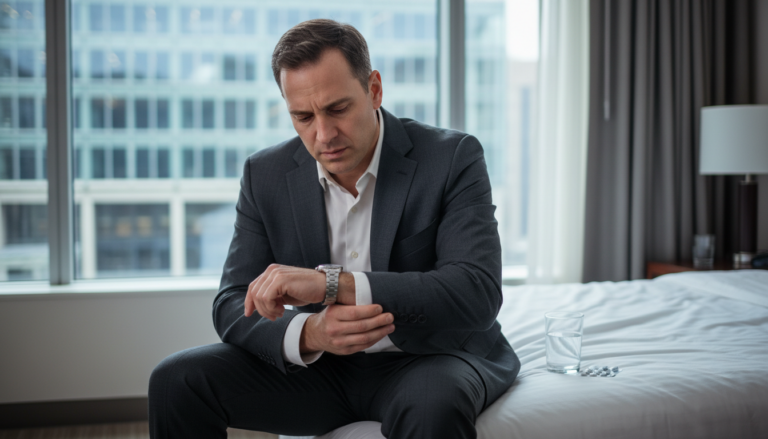
Key Takeaways
- Convenience is Key: You do not need to leave your hotel room to see a licensed medical practitioner; house call services are available throughout NYC.
- Know Your Costs: Urgent care centers are cheaper than ERs, but house calls offer superior convenience and privacy for a premium fee.
- Insurance Matters: International travel insurance usually reimburses medical costs, but be prepared to pay upfront.
- Emergency Protocol: Always dial 911 for life-threatening emergencies; use urgent care or house calls for common travel illnesses like flu or food poisoning.
Doctor for tourists NYC refers to medical services accessible to non-residents visiting New York, ranging from walk-in urgent care clinics to private medical house calls delivered directly to hotel rooms. These services are designed to treat common travel-related ailments such as food poisoning, flu, and minor injuries without requiring a visit to a hospital emergency room.
New York City is one of the most exciting travel destinations in the world, but falling ill during your trip can quickly turn a dream vacation into a stressful logistical nightmare. Navigating a foreign healthcare system—or even just a different city’s system—is daunting. Whether you are battling a sudden fever, a sprained ankle from walking Central Park, or severe food poisoning, knowing how to access care quickly is essential.
For many visitors, the search for a “doctor for tourists in NYC” leads to three main options: hospital emergency rooms, walk-in urgent care centers, and the increasingly popular option of medical house calls.
1. The Convenience of Medical House Calls
When you are sick in a hotel room, the last thing you want to do is get dressed, hail a taxi, and sit in a waiting room full of other sick people. This is where medical house calls shine. Services like Sickday specialize in bringing care directly to you.
Instead of navigating the subway while feverish, you can book an appointment and have a licensed medical practitioner arrive at your hotel door. This is often the preferred method for international travelers who value privacy, comfort, and safety.
Why Choose a House Call?
- Stay in Bed: You don’t have to leave your room. This is crucial if you are suffering from gastrointestinal issues or high fevers.
- Privacy: Discuss your symptoms in the privacy of your suite rather than a curtained-off cubicle.
- Reduced Exposure: Avoid sitting in waiting rooms where you might be exposed to other contagious illnesses like the flu or COVID-19.
- Personalized Care: House call providers often spend more time with patients than the rushed providers at high-volume clinics.
2. Urgent Care Centers vs. Emergency Rooms
If you prefer to visit a facility, NYC has an abundance of urgent care centers. These are walk-in clinics that handle non-life-threatening conditions. However, for a tourist, distinguishing between an Urgent Care and an ER is vital for both your health and your wallet.
- Urgent Care: Best for common illnesses (strep throat, sinus infections), minor injuries, and travel-related exhaustion. Wait times are typically 30–60 minutes.
- Emergency Room (ER): strictly for life-threatening conditions (chest pain, difficulty breathing, severe trauma). Wait times can exceed 4 hours, and costs are significantly higher.
Comparing Your Options: House Call vs. Urgent Care vs. ER
To help you decide which option is best for your situation, we’ve broken down the key differences below.
| Feature | Medical House Call (e.g., Sickday) | Walk-In Urgent Care | Hospital ER |
|---|---|---|---|
| Best For | Flu, food poisoning, dehydration, privacy, comfort | Minor cuts, ear infections, travelers on a budget | Life-threatening emergencies, major trauma |
| Wait Time | Scheduled appointment (wait in your bed) | 30 mins to 2 hours (wait in lobby) | 2 to 6+ hours |
| Convenience | High: Provider comes to your hotel | Medium: Requires travel to clinic | Low: stressful & crowded |
| Cost | Premium (often reimbursed by travel insurance) | Moderate ($150–$250 out of pocket) | High ($1,000+) |
Navigating Insurance for International Travelers
One of the biggest concerns for tourists is the cost of healthcare in the United States. If you are visiting from overseas, your domestic health insurance likely does not provide coverage here. This is why travel insurance is critical.
How Payment Typically Works
Most urgent care centers and house call services in NYC operate on a “fee-for-service” basis for international travelers. This means:
- Upfront Payment: You pay for the visit at the time of service via credit card.
- Documentation: The provider gives you a detailed receipt (often called a “Superbill”) containing medical codes.
- Reimbursement: You submit this receipt to your travel insurance provider for reimbursement once you return home or via their online portal.
Before booking an appointment, check if your travel insurance has a specific network or if you can choose any licensed provider. Most premium travel insurance plans allow you to choose any provider, including medical house call services.
Common Travel Illnesses in NYC
New York is a walking city, and the hustle can take a toll on your immune system. We frequently see travelers suffering from:
- “Subway Cold”: Upper respiratory infections from crowded public transit.
- Food Poisoning: Trying new cuisines can sometimes lead to an upset stomach. Learn more about coping with a sick day away from home.
- Exhaustion & Dehydration: Tourists often walk 10+ miles a day, leading to severe fatigue.
- Blisters and Sprains: Foot injuries are incredibly common. It helps to have a kit ready; read our guide on assembling the perfect first aid kit.
FAQ: Finding a Doctor for Tourists in NYC
Can I go to a hospital in NYC if I am a tourist?
Yes. By law, emergency rooms must stabilize anyone who comes in with a life-threatening emergency, regardless of their ability to pay or citizenship status. However, for non-emergencies, you will likely face very high bills. It is better to use urgent care or house call services for minor issues.
How do I fill a prescription as a tourist?
If a licensed medical practitioner prescribes medication, they can send it electronically to any pharmacy in NYC (like CVS, Walgreens, or Duane Reade). You will need to pay for the medication at the pharmacy counter. Keep the receipt for your insurance claim.
What number do I call for a medical emergency?
In the United States, dial 911 for life-threatening emergencies (heart attack, stroke, severe bleeding). For non-emergencies, you can contact private medical services directly or ask your hotel concierge for a recommendation.